
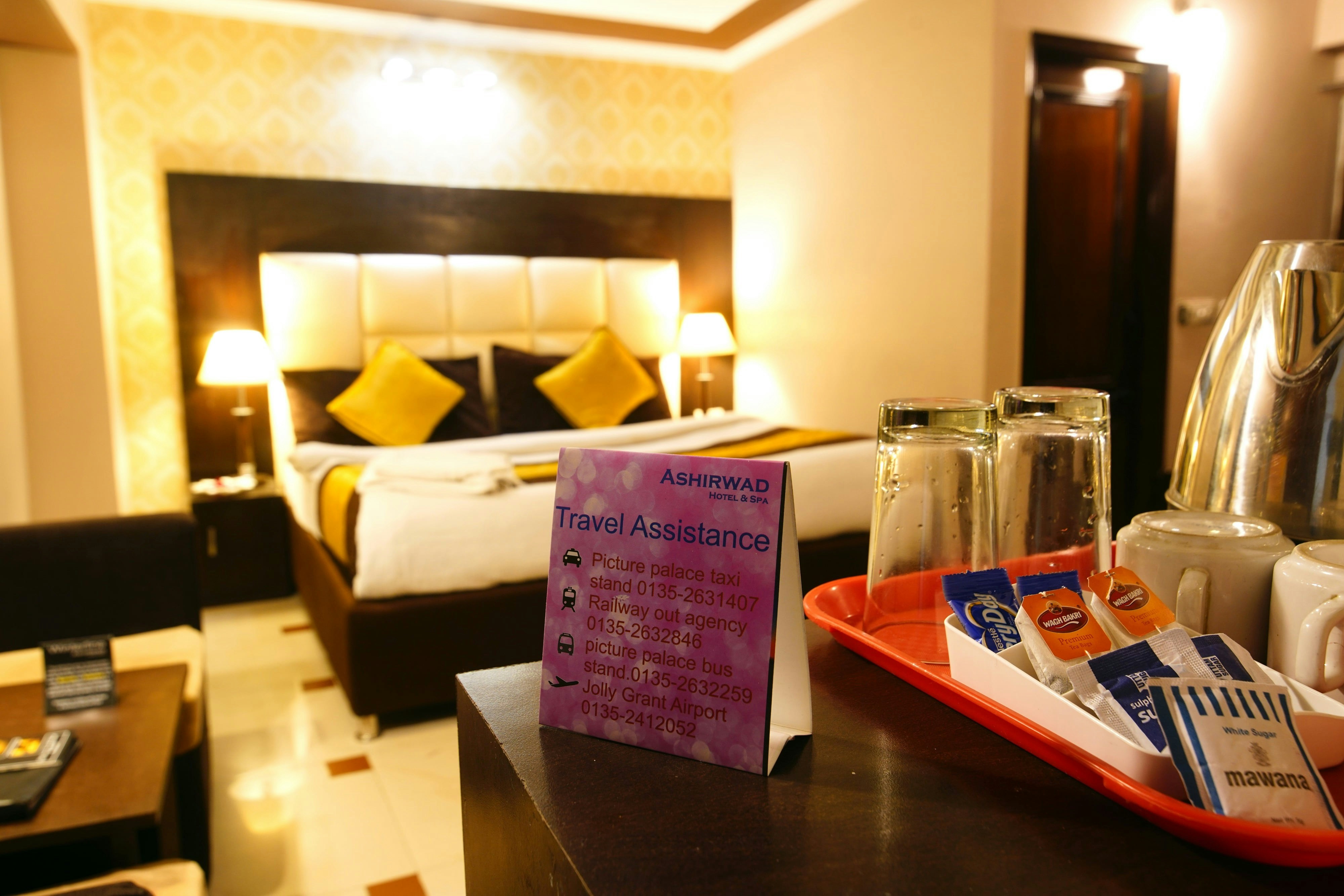
Understanding the Current Hotel Marketing Landscape
As we approach 2026, the hotel marketing landscape is witnessing significant transformations driven by advancements in technology and changing consumer behavior. One of the most notable trends is the rapid digital transformation in the hospitality industry, which is reshaping how marketing for hotels is conducted. Traditional marketing strategies are increasingly being replaced or supplemented by innovative digital marketing tools, allowing hotels to reach potential guests more effectively.
Online travel agencies (OTAs) and metasearch engines have become critical components of the modern hotel marketing strategy. These platforms allow hotels to maximize their visibility and reach, providing travelers with comparative options that can ultimately influence their booking decisions. However, while OTAs can boost visibility, hotels must navigate the challenges associated with commission fees and maintaining brand identity. Thus, a balanced approach is essential for effective marketing in hotels.
Alongside the evolution in technology, there is a growing emphasis on customer experience and personalization. Today’s travelers expect more than just a place to stay; they are seeking tailored experiences that resonate with their specific needs and preferences. This shift calls for hotels to leverage data analytics to gain insights into guest behavior and preferences, thereby facilitating more targeted marketing efforts. Data-driven marketing strategies allow hotels to customize their offerings and enhance guest satisfaction, which is crucial for fostering loyalty and encouraging repeat bookings.
Moreover, as consumer behavior continues to evolve, hotels must remain agile, adapting their marketing strategies to meet the changing expectations of their guests. This presents both challenges and opportunities, as understanding these trends will play a pivotal role in developing successful marketing initiatives. Overall, the current hotel marketing landscape underscores the importance of integrating technology with a deep understanding of customer needs in order to drive bookings and create memorable guest experiences.
Top Proven Strategies to Enhance Hotel Visibility
In the highly competitive realm of hotel marketing, visibility is paramount for attracting potential guests. One primary strategy involves optimizing hotel websites for search engines, a practice known as Search Engine Optimization (SEO). By focusing on relevant keywords and improving site speed and usability, hotels can enhance their ranking on search engine results pages (SERPs). This makes it easier for potential customers to discover their offerings. Incorporating local SEO strategies is also beneficial, as it targets guests searching for hotels in specific geographical areas.
Another effective method in marketing for hotel visibility is leveraging social media platforms. With billions of active users, platforms like Instagram, Facebook, and Twitter can significantly broaden a hotel’s reach. By regularly posting engaging content—such as stunning images of hotel amenities or highlighting special offers—hotels can connect with prospective guests and share their brand story. Additionally, utilizing sponsored posts or advertisements on these platforms can target specific demographics, enhancing visibility within key markets.
Influencer partnerships are also a powerful tool in marketing hotels. Collaborating with travel influencers allows hotels to tap into established audiences who trust their recommendations. By hosting influencers or offering them complimentary stays in exchange for social media exposure, hotels can organically showcase their offerings to a broader audience.
Lastly, paid advertising remains an indispensable strategy in marketing in hotels. Utilizing Google Ads and retargeting campaigns ensures that a hotel’s visibility is maintained even after potential guests leave their website. Alongside these efforts, reputation management through online reviews and customer feedback is crucial in hotel marketing. Encouraging satisfied customers to leave positive reviews can not only bolster a hotel’s reputation but significantly impact its appeal to prospective guests, converting visibility into bookings.
Nurturing Customer Relationships for Repeat Business
In the competitive landscape of hotel marketing, establishing and maintaining strong relationships with guests is essential for driving repeat business. Effective communication strategies play a pivotal role in this endeavor. One of the most powerful tools available to hotels is email marketing. By creating targeted email campaigns, hotels can engage past guests with exclusive offers, updates on new amenities, and personalized content that resonates with their preferences. This tailored approach not only keeps hotels top-of-mind but also fosters a sense of belonging among guests.
Loyalty programs are another instrumental aspect of marketing in hotels. These programs incentivize repeat stays by rewarding guests with points, discounts, or free services. A well-structured loyalty program enhances guest satisfaction and encourages them to choose your hotel over competitors. Furthermore, marketing for hotel loyalty programs can extend beyond mere transactions; they can develop an emotional connection where guests feel valued and appreciated for their loyalty.
Additionally, gathering and analyzing guest feedback is crucial for nurturing relationships. By actively seeking opinions through surveys or reviews, hotels can gain insights into guest experiences. This feedback can inform service offerings, allowing hotels to refine their marketing strategies and better meet the needs of their clientele. Subsequently, when guests feel heard and appreciated, they are more likely to become repeat customers and advocates for your brand.
Ultimately, nurturing customer relationships is not just about driving repeat business; it is about cultivating loyalty and advocacy. When guests believe they have a personal connection with a hotel, they are more inclined to return and recommend it to others. In the realm of hotel marketing, the value of strong customer relationships cannot be overstated, as they lay the foundation for sustaining growth and success in the industry.
Utilizing Technology and Data Analytics in Hotel Marketing
In today’s competitive landscape, successful hotel marketing relies heavily on the adoption of advanced technology and data analytics. These tools not only enhance operational efficiency but also allow for more precise targeting of marketing initiatives. With the implementation of data analytics, hotels can gain valuable insights into consumer behavior and preferences, enabling them to tailor their offerings to meet the demands of potential guests.
Customer Relationship Management (CRM) systems are crucial for hotels aiming to improve guest relationships. A well-integrated CRM can track guest interactions, preferences, and booking history, which empowers marketers to create personalized marketing content. By utilizing marketing automation tools, hotels can streamline their campaigns, ensuring that the right message reaches the right audience at the right time. These automated systems can also analyze the effectiveness of various marketing strategies, facilitating continuous improvement.
Dynamic pricing strategies are another component that hotels can leverage through technology. By analyzing market trends, occupancy rates, and competitor pricing, hotels can adjust their rates in real-time to maximize revenue and occupancy. This proactive approach to pricing not only enhances profitability but also positions hotels competitively in the marketplace.
Moreover, embracing technology in marketing extends to social media and online presence. Utilizing analytics from these platforms can inform a hotel’s approach to engaging with guests and prospective visitors. By understanding which content resonates most with audiences, hotels can refine their strategies to drive engagement and bookings.
Ultimately, effectively harnessing technology and data analytics yields a competitive advantage in the hotel marketing arena. By focusing on personalized guest experiences and flexible pricing strategies, hotels can enhance their marketing efforts and substantially increase bookings.



Leave a Reply